August 14, 2026
When Statistics Become People
When Statistics Become People..
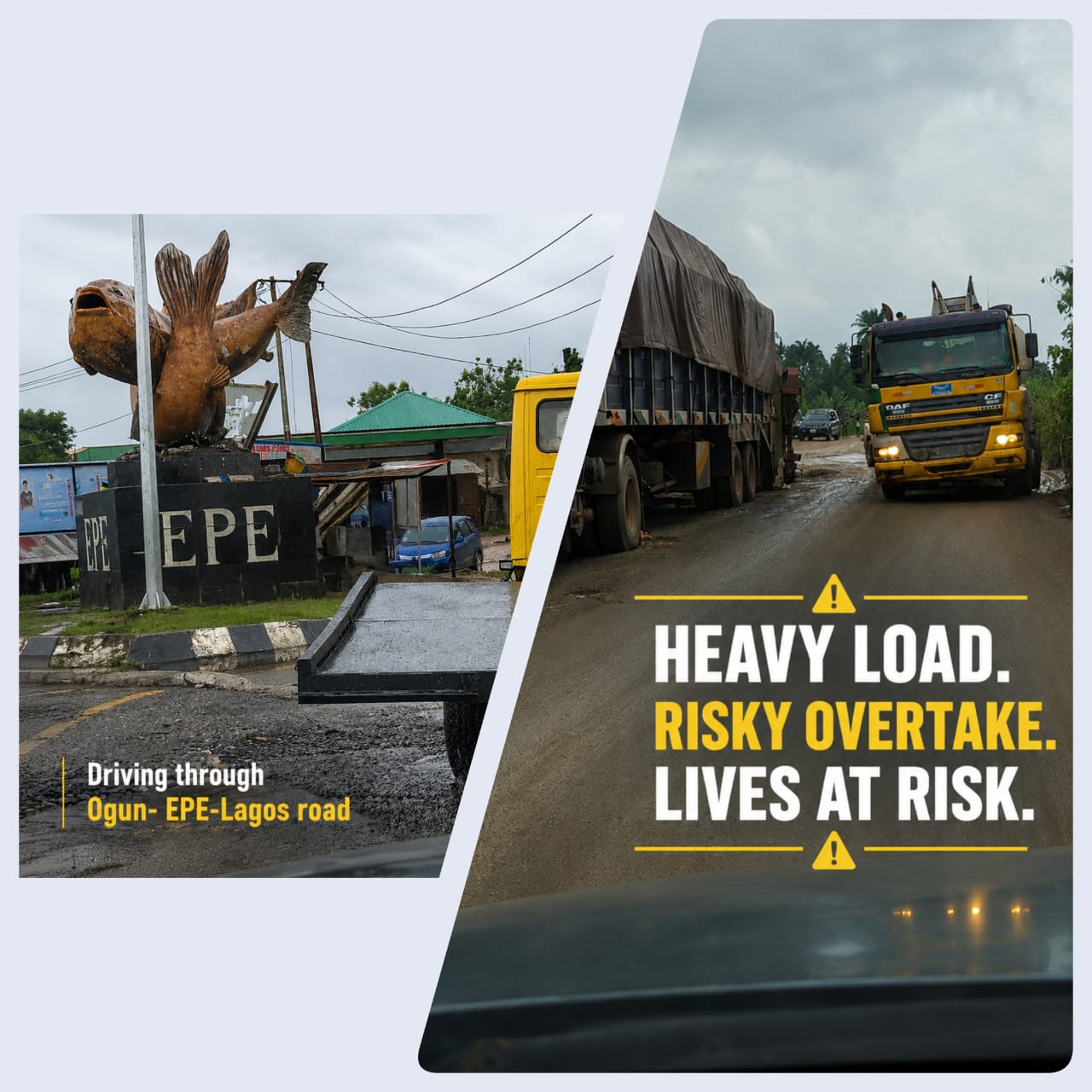
The journey into vulnerable communities is not always easy. Travelling through parts of Ogun State and Epe reminded us that meaningful community work often requires perseverance, preparation and faith.
Leaving Bangkok, I knew exactly where I wanted to begin this next chapter of CLEP Africa's work. What I did not fully appreciate was how quickly the conversations we had inside the United Nations Conference Centre would collide with the realities waiting back home.
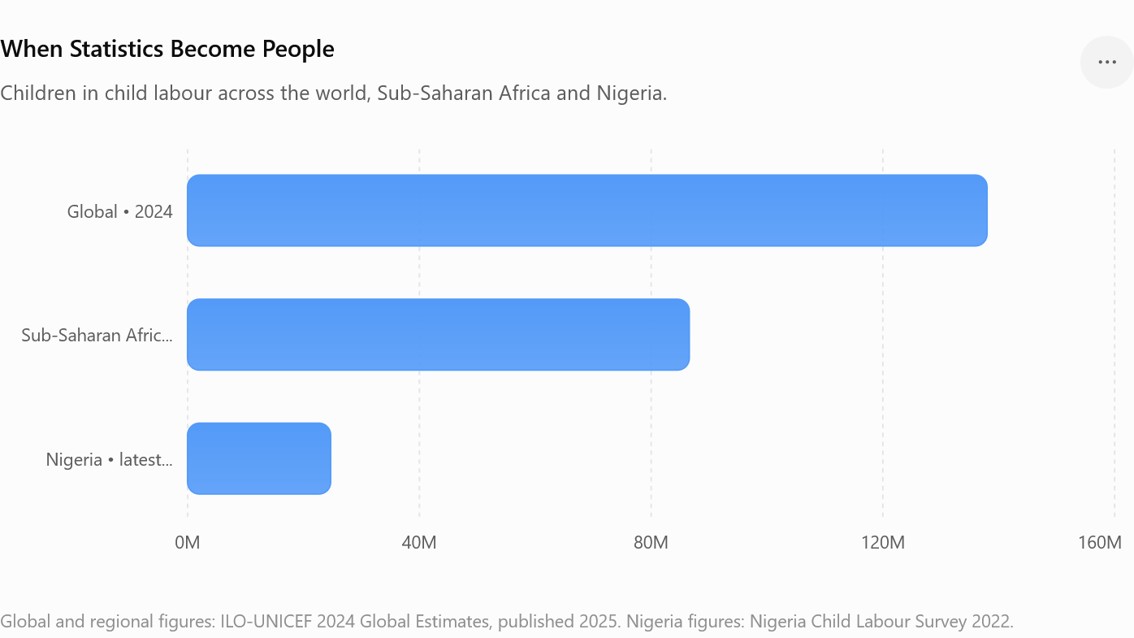
Statistics like these are important because they help governments, development partners and humanitarian organisations understand the scale of the challenge. At the same time, numbers can never fully describe the lives behind them. They cannot explain the difficult decisions parents make when poverty forces them to choose between feeding their families and keeping their children in school. They cannot capture the confidence of a child who has learned to negotiate with strangers before learning mathematics or science. They cannot measure the dreams quietly set aside because survival becomes more urgent than education. That is why I have always believed that meaningful development work must begin with people before programmes and with relationships before projects.This philosophy has shaped CLEP Africa from the very beginning. Our mission has never been limited to awarding scholarships or paying school fees. We believe education becomes sustainable when families are encouraged, communities are involved and children are given consistent support to remain in school.
Every outreach provides another opportunity to listen, learn and understand the realities families face before deciding how best to serve them. That approach continues to guide every intervention we implement and remains one of the reasons our work aligns closely with Sustainable Development Goal 4 (Quality Education), Sustainable Development Goal 8.7 (Eradication of Child Labour) and Sustainable Development Goal 10 (Reduced Inequalities). For us, these are not simply international commitments. They are practical goals that shape the decisions we make every time we enter a community.
"Statistics help us understand the scale of the problem, but communities help us understand the people behind the numbers."
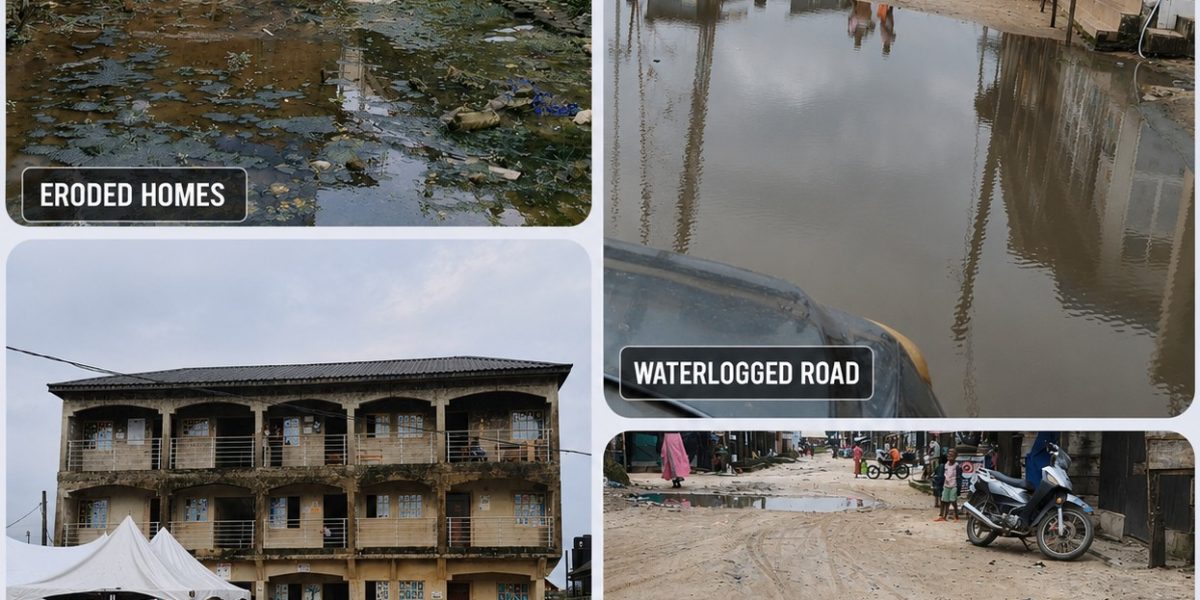
The Lagos Lagoon community is home to resilient families living in challenging environmental conditions where access to education, healthcare and economic opportunities remains limited.
Our destination that day was one of the communities located around the Lagos Lagoon in Ibeju-Lekki, Lagos State. I had heard stories about the area before, but nothing quite prepares you for walking through it yourself. Homes stood above swampy ground connected by narrow wooden walkways that have served generations of families.

During the rainy season, movement becomes even more difficult as stagnant water surrounds many homes, creating ideal breeding conditions for mosquitoes and increasing the risk of malaria. The environment presents daily challenges, yet life continues with remarkable resilience. Children laughed as they played along the walkways, mothers prepared meals outside their homes and neighbours greeted one another with a warmth that immediately made us feel welcome.One of the lessons community development continues to teach me is that poverty should never be mistaken for hopelessness. The families we met were not waiting for someone to rescue them. They were hardworking parents doing everything within their ability to provide for their children despite extremely difficult circumstances. What many lacked was not determination but opportunity. Recognising that difference changes the way we approach our work. Our responsibility is not to speak for communities or replace their efforts. Our responsibility is to walk alongside them, understand their realities and create opportunities that allow children to remain in school rather than entering child labour.
As I walked through the community that afternoon, I found myself thinking once again about the conversations we had in Bangkok. Around the conference tables, we often spoke about the commitment to "leave no one behind." Standing in the Lagos Lagoon community, those words took on a much deeper meaning. Leaving no one behind requires more than policy discussions and international declarations. It requires showing up, walking the paths that many people overlook, listening carefully to parents and investing in children whose potential is often hidden behind difficult circumstances. That has always been the heart of CLEP Africa's mission, and this outreach only strengthened my conviction that every child, regardless of where they are born, deserves the opportunity to learn, grow and thrive.
ReferencesILO and UNICEF, 2024 Global Estimates of Child Labour: trends and the road forwardDirect report PDF: ILO-UNICEF 2024 Global Estimates reportDirect report PDF: Nigeria Child Labour Survey 2022 (PDF)ILO and National Bureau of Statistics, Nigeria, Nigeria Child Labour Survey 2022
About the AuthorOgunbawo Oluwatomisin is the Founder and Executive Director of CLEP Africa (Child Labour Eradication Program). He is a Project Management professional, Global Peace Award Medalist, SDG Advocate and International Leadership Fellow whose work focuses on expanding educational opportunities for vulnerable children and advancing community-led solutions to child labour across Africa. His work combines lived experience, academic research and practical community engagement to promote Quality Education (SDG 4), the eradication of child labour (SDG Target 8.7) and Reduced Inequalities (SDG 10).
Leave a Reply